
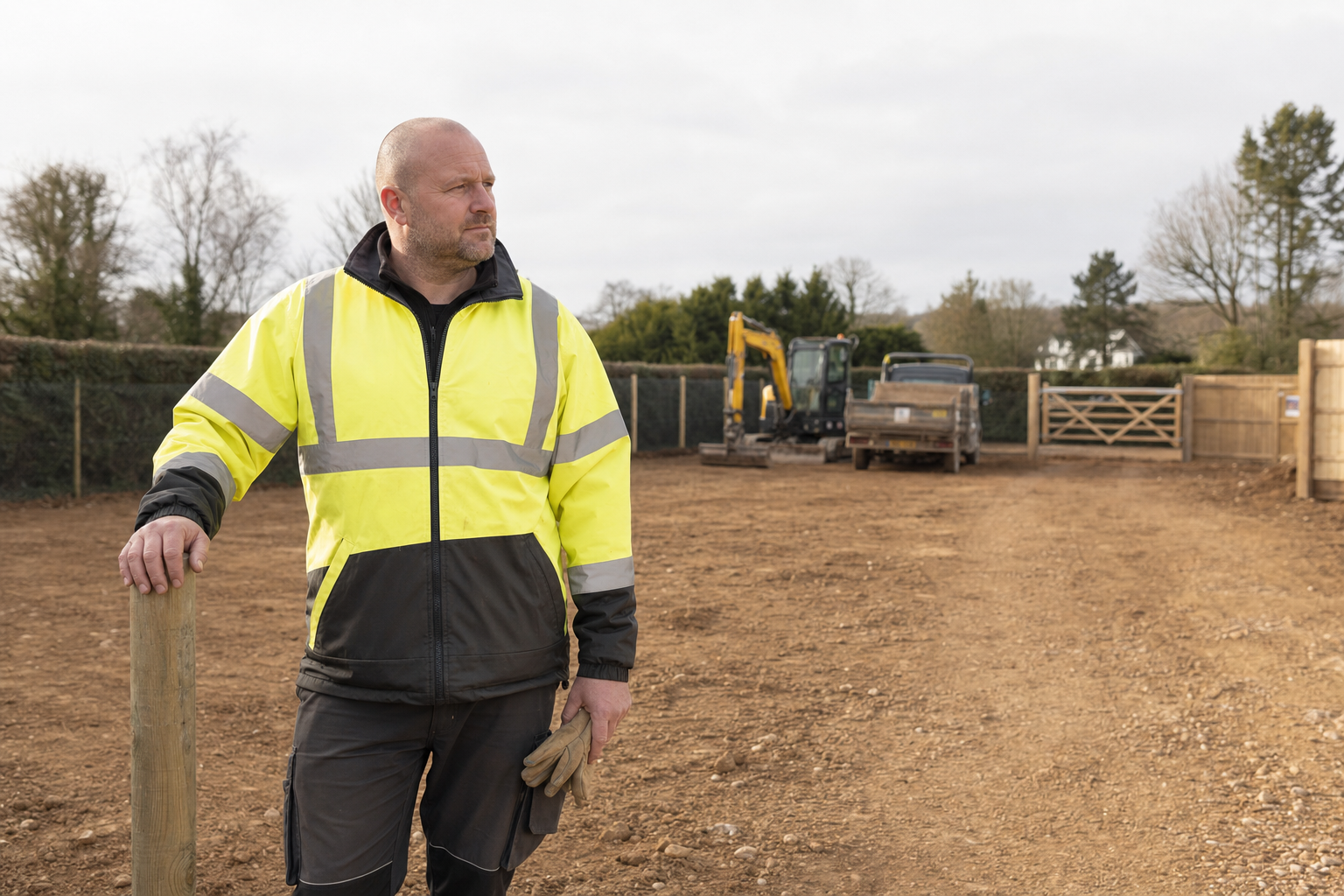
Why preparation matters so much
The right depth first time
Excavation is planned around the surface and drainage that will follow.
Access assessed early
We look at machinery routes, spoil removal and delivery space before work starts.
Clear handover to the next stage
The finished formation is prepared for groundworks, drainage or surfacing.
Clear the site properly before building starts
Outdoor projects often go wrong before they even begin, usually because the existing site has not been cleared or excavated with the finished build in mind. Old hard surfaces, stubborn vegetation, awkward levels and hidden volumes of spoil all affect what comes next. We assess access, the condition of the area and the amount of material that needs removing before the job starts moving. With Royal Driveways and Landscapes, clearance and excavation are planned as the first proper construction stage, not just the messy bit at the front, so the site is prepared to the depth and profile needed for the work ahead.
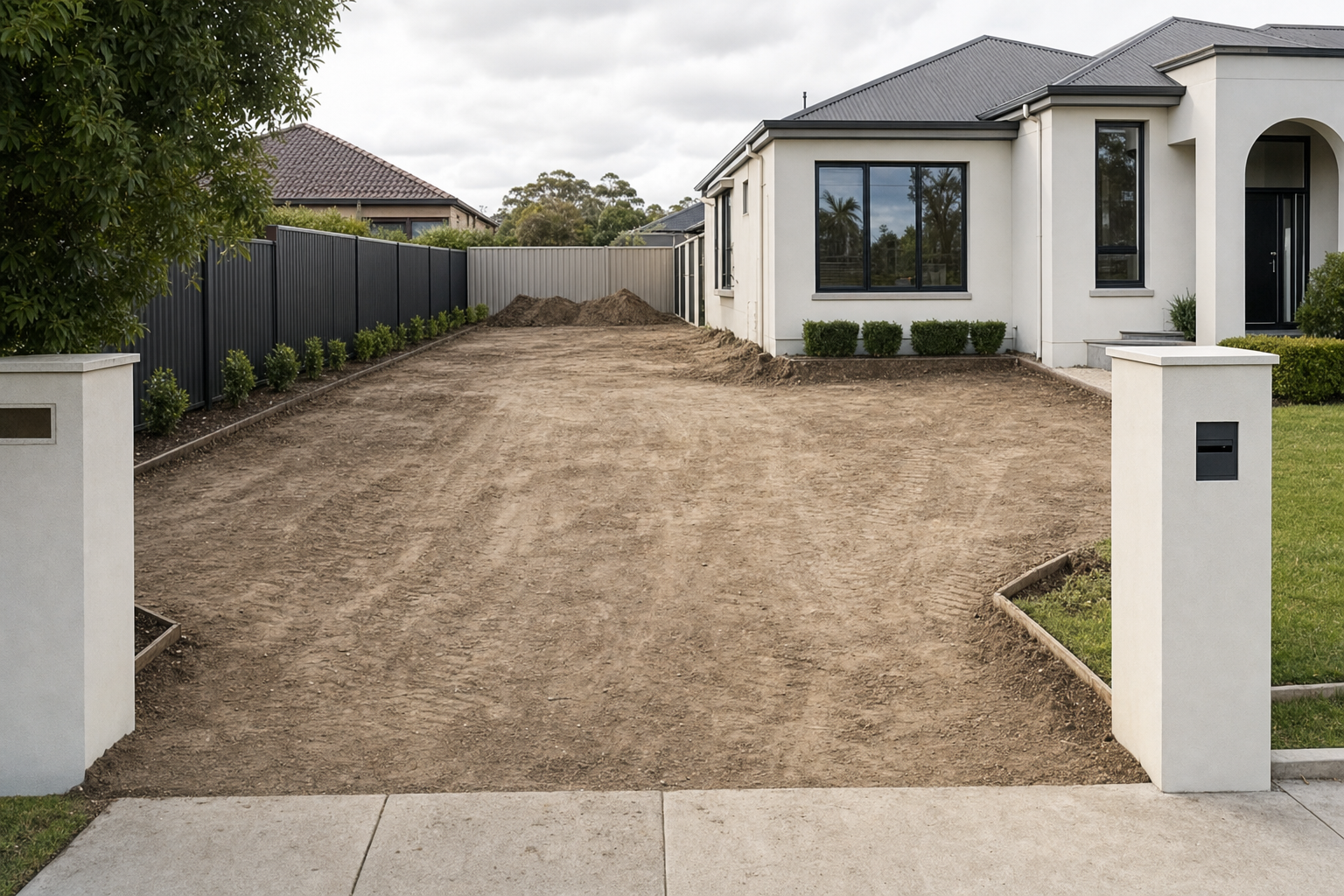

Access and sequencing shape the plan
Good excavation depends on more than digging down. Machinery access, material movement, boundary protection and the order of the work all need thinking through, especially on tighter domestic sites. We excavate to suit the intended construction and drainage plan, then leave the formation ready for the next stage of groundworks, trenching or surfacing. That joined-up approach helps the project move more cleanly from removal to rebuild, instead of treating clearance as a separate exercise with no clear handover to what follows.
Frequently asked questions
What does site clearance involve?
It can involve removing existing hard surfaces, vegetation and other material that stands in the way of the new build. The exact scope depends on the site, but the aim is always the same: to prepare the area properly for excavation, groundworks and the construction that follows.
Why does access matter before excavation starts?
Because equipment, spoil removal and deliveries all depend on it. A narrow entrance, tight boundary or awkward route to the work area can affect how the job is planned and sequenced, so it is far better to account for that early than discover it halfway through.
Does clearance connect to the rest of the project?
Yes. The cleared and excavated formation should lead straight into the next stage, whether that is drainage, groundwork or surface installation. Treating it as part of one process helps the job move more smoothly and reduces the risk of rework later on.